How Dentists Place Dental Crowns in Los Angeles CA
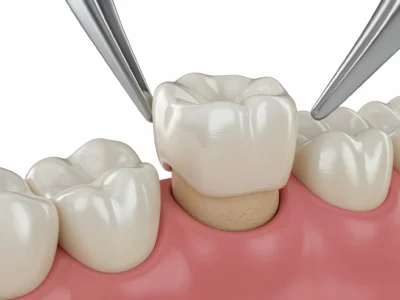
A dental crown seems simple from the patient chair. You come in with a cracked tooth, a large old filling, or a root canal that needs protection. You leave with a plan to restore the tooth so it can handle chewing again and look natural when you smile. What patients usually do not see is how many clinical decisions sit behind that one word, crown.
In Los Angeles, the process can vary depending on the tooth, the material, the technology in the office, and the pace of the patient’s life. A front tooth for an actor, a molar for someone who grinds at night, and a heavily worn premolar under a tight insurance budget do not get handled exactly the same way. Good crown work is part biology, part engineering, and part judgment.
When people search for Dental Crowns Los Angeles CA, they are often trying to answer two questions at once. First, how does the procedure actually work? Second, how do I know whether the office I choose is doing it carefully? Both questions matter. A crown can last many years, but only if the diagnosis is right, the tooth is prepared conservatively, the fit is precise, and the bite is adjusted properly.
Why a tooth ends up needing a crown
Most crowns are placed because a tooth has lost too much structure to stay reliable with a filling alone. That may happen after decay, a fracture, or years of repeated dental work. Sometimes the tooth is not painful at all. It may simply be weak enough that one bad bite on a hard seed or olive pit could split it.
Dentists in Los Angeles see the same problems that show up anywhere else, but the mix can be interesting. There are patients who sip acidic drinks all day, patients with stress-related clenching, patients with cosmetic concerns about visible wear, and patients trying to save a tooth after years of postponing treatment. In a city where appearance matters and schedules are packed, crowns often serve both function and esthetics.
A crown covers and protects what remains of the natural tooth above the gumline. It is not a magic shell placed on a hopeless tooth. The underlying foundation has to be healthy enough to support it. If the root is fractured, if the decay runs too far below the gum, or if the tooth is too loose from advanced gum disease, a crown may not be the right answer.
The first appointment starts with diagnosis, not drilling
The best crown appointments begin with a careful exam. That sounds obvious, but it is where some of the most important calls are made. A dentist will usually evaluate the tooth visually, take radiographs, test the nerve if needed, and look at how the tooth meets its opposite partner. Small cracks can change the whole treatment plan. So can a hidden cavity tucked beneath an old crown margin.
There is also a practical conversation. What does the patient need this tooth to do? Is it in the smile zone? Is there a history of grinding? Has root canal therapy already been completed? Is the patient hoping for the strongest material possible, or is matching adjacent front teeth the top priority? These details help guide the design.
In many Los Angeles offices, digital scans have become common at this stage, especially if existing restorations are large or the bite is complex. Some dentists still use highly accurate traditional impression materials, and in the right hands those remain excellent. What matters is not whether the office looks modern on social media, but whether the records are precise enough to build a crown that fits.
Choosing the right crown material
Patients are often surprised to learn there is no single “best” crown material for every case. A crown on a back molar that takes heavy chewing loads has different demands than one on an upper lateral incisor. The dentist weighs strength, appearance, thickness requirements, wear against opposing teeth, and how much healthy tooth can be preserved.
These are the materials most patients hear about:
- Porcelain fused to metal, which has a long track record and can work well, though a dark edge can become visible over time in some cases.
- All ceramic or porcelain, often chosen for front teeth where lifelike translucency matters.
- Zirconia, valued for strength and increasingly common for back teeth and some cosmetic cases.
- Gold or high noble alloys, still respected by many dentists for fit and durability, especially on molars, though less popular cosmetically.
Each option has trade-offs. Zirconia is strong, but strength alone does not guarantee the best esthetic result in every front tooth case. Layered ceramics can look beautiful, but they demand proper case selection and bite management. Gold can be remarkably kind to opposing teeth and extremely durable, but many patients in Los Angeles simply do not want visible metal when they laugh.
A seasoned dentist does not present these choices as a beauty pageant. The conversation is about what is biologically and mechanically sound for that tooth in that mouth.
Preparing the tooth with precision
Once the plan is clear, the tooth is numbed and prepared. This is the part most people imagine when they think of getting a crown, but it is more measured than dramatic. The dentist reshapes the tooth to create room for the new restoration while preserving as much healthy structure as possible.
That balance is important. Remove too little, and the lab or milling unit does not have enough space to make a crown with proper contours and strength. Remove too much, and the tooth is weakened unnecessarily. Experienced crown preparation is conservative but intentional. The dentist creates smooth walls, a clean finish line where the crown margin will meet the tooth, and enough reduction in the right areas to support the chosen material.
If an old filling is present, it may need to come out entirely. Sometimes decay is discovered under it. Sometimes the remaining tooth is hollowed out enough that a core buildup is needed before the crown can be placed. A buildup is not the same thing as the crown itself. It is the internal foundation that gives the final restoration something sound to sit on.
One common point of confusion is the dental post. Patients often say, “I need a post and crown,” as if the two always go together. In reality, posts are used selectively, usually in root canal treated teeth that have lost significant internal structure. They are not automatically placed, and they are not there to strengthen roots. In some cases, a post helps retain the buildup. In others, placing one would offer little benefit and could add risk.
Gum tissue and margin placement matter more than patients realize
The edge of the crown has to meet the tooth in a way that is cleanable, well sealed, and compatible with the gums. That sounds technical, but the effects are easy to recognize. When crown margins are poorly designed or sloppily placed, patients may notice chronic irritation, bleeding when flossing, food trapping, or a visible dark line.
Dentists have to decide where the margin belongs. If there is enough healthy tooth structure above the gums, a margin can often be kept at or just above the gumline, which tends to be easier to maintain. If decay, fracture, or esthetic demands extend lower, the margin may need to go slightly beneath the gumline. That approach can work very well, but it requires meticulous technique.
In esthetic cases, especially on front teeth, soft tissue architecture becomes a big part of the final result. The crown cannot look natural if the gum framing around it is uneven or inflamed. In some situations, a dentist may recommend gum recontouring or coordinated work with a periodontist before the final crown is made.
This is one reason same-day crowns are not ideal for every case. Convenience is attractive, and same-day technology can be excellent, but when tissue management is complex or the esthetic demands are high, a carefully sequenced lab-fabricated crown may still be the better route.
Impressions or digital scans, how the tooth shape is captured
After the tooth is prepared, the dentist needs an exact replica of it and the surrounding bite. That can be done with impression material or an intraoral scanner. Patients tend to prefer scanning because it avoids a tray full of impression material, but accuracy depends on more than comfort. The tissue has to be managed well so the Dental Crowns Los Angeles CA margin is visible, the field has to stay dry, and the bite record has to be reliable.
A small retraction cord or other tissue management method is often used to gently move the gum away from the tooth for a clearer view of the margin. This part is easy to overlook from the patient side, but it is one of the technical details that separates predictable crowns from crowns that return with open margins or poor fit.
In Los Angeles practices with in-house CAD/CAM systems, the scan can be used to design and mill the crown the same day. In other offices, the scan or impression goes to a dental laboratory where a technician fabricates the restoration. Neither route is inherently superior. The real difference is whether the case has been planned well and whether the person designing the crown understands occlusion, anatomy, and esthetics.
The temporary crown does more than fill space
If the final crown is not delivered the same day, the dentist places a temporary crown. Patients sometimes think of it as a placeholder with little importance. In reality, a well-made temporary protects the tooth, reduces sensitivity, maintains spacing, supports the gums, and offers a preview of shape and appearance.
A temporary that is too loose can come off while eating. One that is too bulky can inflame the gums. One with a poor bite can leave the patient sore for days. That is why good dentists do not rush this step, even when the schedule is tight.
Patients usually get a few practical instructions at this point. Sticky foods can pull temporaries off, and very hard foods can crack them. Flossing may need to be done by sliding the floss out rather than snapping it back up through the contact. If the tooth has not had root canal treatment, some sensitivity to cold or pressure can be normal for a short period, but worsening pain is not something to ignore.
How the final crown is seated
When the permanent crown returns from the lab, or after it is milled in office, the dentist tries it in before cementing. This stage is part quality control, part fine tuning. The fit at the margin is checked carefully. The contact with neighboring teeth has to be tight enough to prevent food trapping, but not so tight that floss shreds or the crown will not seat fully. The color and contour are evaluated, especially in visible areas.
Then comes the bite. This step deserves more respect than it usually gets. A crown can look excellent and still fail if the bite is high. When one restoration takes too much force too soon, the patient may feel that the tooth is “hitting first.” That can lead to soreness, headaches, sensitivity, fracture of porcelain, or in some cases damage to the tooth itself.
A careful dentist checks the bite in multiple positions, not just one quick tap on articulating paper. Patients who clench or grind often need more detailed adjustment because even a small high spot can become a big problem under heavy force.
If everything looks right, the crown is cemented or bonded depending on the material and clinical situation. Modern cements are strong and reliable, but they are not a substitute for precision. Cement does not fix a poorly fitting crown. It only secures a well-made one.
What patients usually feel afterward
Most crown placements are straightforward from the patient perspective. Mild soreness in the gums, slight temperature sensitivity, or a feeling of “newness” when chewing can happen for a few days. The tooth should not feel dramatically high, and the discomfort should trend downward, not upward.
Patients should call the office if they notice persistent pain on biting, throbbing that keeps them awake, a floss-catching edge, or a bite that feels off after the numbness wears away. Minor adjustments are common and often simple. Waiting too long can turn a small issue into a bigger one.
A well-done crown should blend into normal life fairly quickly. Patients stop thinking about it, which is usually the best sign.
Same-day crowns versus traditional lab crowns
Los Angeles patients often ask for speed. The appeal is obvious. One visit, no temporary, less time away from work or traffic. Same-day crowns can be excellent in the right case. A strong digital workflow, good isolation, and thoughtful finishing can produce very good results.
Still, speed is not the only value. Some cases benefit from a skilled ceramist in a lab, especially when front tooth esthetics are demanding, multiple adjacent teeth need matching, or the margin placement is complex. A lab technician can layer color, translucency, and surface texture in a way that chairside systems may not always match.
The better question is not, “Do you do same-day crowns?” It is, “Which approach is best for my tooth and why?” That answer tells you far more about the dentist than the technology itself.
How crown placement differs when the tooth had a root canal
A root canal treated tooth often needs a crown because it has already lost substantial structure and can become more brittle over time. Back teeth are especially vulnerable because they absorb high chewing forces. The crown acts like a protective helmet, though that analogy only goes so far because the strength still depends on the remaining tooth underneath.
Not every root canal tooth needs the same design. An anterior tooth with minimal loss may sometimes be restored more conservatively. A heavily broken molar may need a buildup, possible post placement, and full coverage. The dentist also checks whether there is enough ferrule, a term used for the ring of remaining tooth structure that helps the restoration resist fracture. Without enough ferrule, long-term prognosis drops.
This is where experience matters. It is possible to technically place a crown on a compromised tooth and still have a poor outlook. Honest treatment planning means recognizing when a crown will predictably save the tooth and when it may only delay an extraction.
Cosmetic expectations in Los Angeles raise the bar
Esthetics matter everywhere, but they can carry special weight in Los Angeles. Patients may notice subtle asymmetry, brightness differences, or shape issues that someone else would never mention. That is not vanity so much as visibility. If your work places you in front of clients, cameras, or audiences, one front crown that looks flat or opaque can bother you every day.
Matching a front tooth is one of the harder jobs in dentistry. Natural teeth are not one color. They have translucency at the edge, internal character, reflected light, and tiny asymmetries that make them look real. A crown that is too uniform can appear artificial even if the shade tab technically matched.
This is where photographs, custom shading, and collaboration with an experienced ceramist can make a real difference. Some patients benefit from whitening neighboring teeth before shade selection. Others need to understand that replacing one dark, worn, or heavily restored tooth may reveal a mismatch that existed all along but was less obvious before treatment.
Costs, longevity, and what affects value
Crown fees in Los Angeles can vary widely. Neighborhood, materials, lab quality, technology, and case complexity all influence cost. A crown on a straightforward molar is not the same as a highly esthetic anterior restoration with custom shading and tissue management. Insurance may help, but coverage often comes with limitations, waiting periods, or material downgrades.
Patients naturally ask how long a crown will last. A fair answer is that many well-made crowns last a decade or longer, and some last much longer, but longevity depends on more than the crown itself. Oral hygiene, grinding, diet, decay risk, and regular maintenance all matter. The most common reasons crowns fail are not dramatic manufacturing defects. They are recurrent decay at the margin, fracture of the tooth underneath, periodontal problems, or bite-related complications.
If a patient wants practical ways to protect a new crown, the advice is usually straightforward:
- Brush carefully at the gumline and floss daily so plaque does not sit around the margin.
- Wear a night guard if you clench or grind, especially if you have already cracked teeth or restorations.
- Avoid using teeth as tools for opening packages, cracking shells, or chewing ice.
- Keep recall visits and x-rays current so small margin issues are found early.
- Report bite changes or persistent sensitivity instead of trying to “get used to it” for months.
That list sounds simple because the maintenance is simple. What makes it effective is consistency.
How to tell whether a dentist is thoughtful about crowns
Patients are not expected to judge margin design under magnification, but they can notice signs of good process. A dentist who takes time to explain why the crown is needed, what material suits the case, and what trade-offs come with that choice is usually thinking at the right level. The same goes for dentists who discuss bite, gum health, and whether the tooth has enough remaining structure to justify treatment.
You can also tell a lot by how the office handles details. Are records taken carefully? Does the temporary feel deliberate rather than rushed? Is there a plan if the bite feels high afterward? Does the dentist explain when a same-day crown is appropriate and when it is not? Thoughtful care tends to reveal itself in these ordinary moments.
For patients looking specifically for Dental Crowns Los Angeles CA, it helps to remember that the crown is not the whole treatment. The real service is diagnosis, preparation, fit, and follow-through. The porcelain or zirconia you see is only the visible part of a much larger process.
When a crown is not the right treatment
There are times when a crown is suggested too quickly and times when it is delayed too long. A small crack with minimal structural loss may do better with a more conservative restoration. On the other hand, a tooth with a giant failing filling and visible cuspal fracture may be one bite away from breaking beyond repair.
A crown also cannot solve pain that comes from a different source. If the tooth has an unresolved nerve problem, if the crack extends into the root, or if the symptoms are actually coming from clenching muscles or sinus pressure, a crown alone may not fix the issue. Good dentists stay cautious when the diagnosis is muddy.
That restraint matters. The strongest crown in the world cannot rescue a tooth that was never a sound candidate for one.
What the process should feel like for the patient
From the patient side, a well-managed crown procedure should feel organized. You should know why the crown is being recommended, what material is planned, whether the office is doing a same-day or lab-made restoration, and what to expect after each visit. The tooth should function comfortably, the gums should settle, and the final crown should feel secure and natural.
The best crown dentistry often looks uneventful. Nothing dramatic happens. The tooth is diagnosed correctly, shaped carefully, captured accurately, and restored with attention to bite and gum health. Months later, the patient barely remembers which tooth had the work done.
That quiet success is the standard worth looking for.
Simple Dental Vermont
Address: 8914 S Vermont Ave, Los Angeles, CA 90044
Phone number: +13239493000
FAQ About Dental Crowns Los Angeles CA
How much do crowns cost per tooth?
In the United States, a single dental crown typically costs between $800 and $2,500 per tooth without insurance. The ultimate out-of-pocket price depends heavily on the crown material, the location of the tooth, and whether you have dental insurance coverage.
What is the downside of crowns on teeth?
The primary downside of a dental crown is that the procedure permanently removes natural tooth enamel to shape the tooth for the cap.
Why do dentists push for crowns?
Dentists recommend crowns because a large filling cannot provide enough strength when a tooth loses a major portion of its structure or faces heavy chewing pressure.