Dental Crowns Los Angeles CA: Trusted Care for Tooth Repair
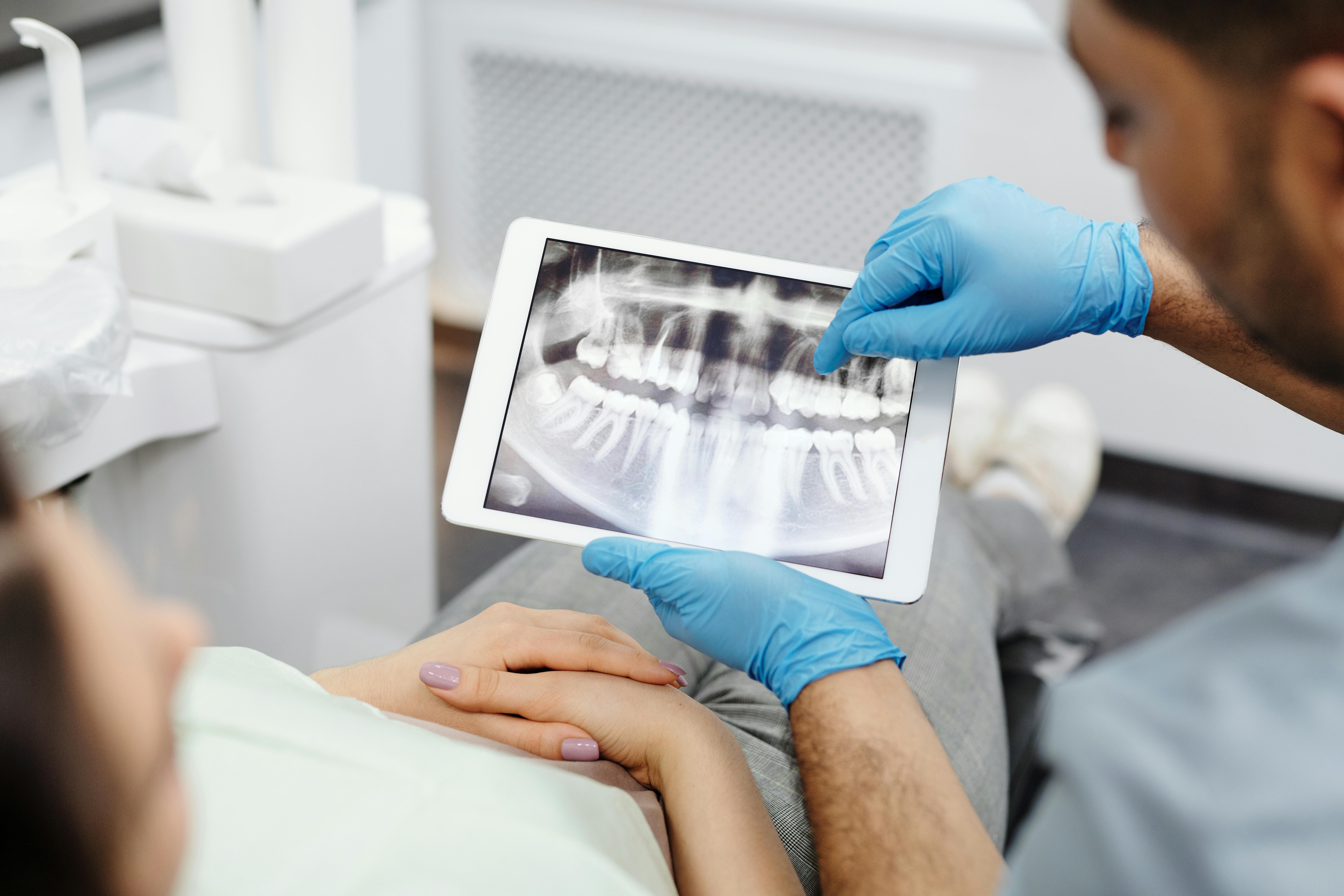


A dental crown is one of those treatments people often hear about long before they ever need one. Then a tooth cracks on a popcorn kernel, an old filling gives way, or a root canal leaves a molar too weak to trust, and suddenly the idea becomes very personal. In a city like Los Angeles, where patients have access to everything from boutique cosmetic practices to long established family offices, the challenge is not finding a provider. It is finding care that balances appearance, function, durability, and honest guidance.
When patients search for Dental Crowns Los Angeles CA, they are usually not browsing out of curiosity. Most are dealing with discomfort, visible damage, or the stress of deciding whether a tooth can still be saved. A crown often becomes the best path forward because it restores shape and strength while protecting the remaining tooth structure. The real value of a well made crown is not just that it looks natural. It lets you chew without hesitation, smile without thinking about the damaged tooth, and move through the day without guarding one side of your mouth.
What a crown actually does
A crown is a custom restoration that covers the visible portion of a tooth above the gumline. Think of it less as a cap in the casual sense and more as a protective shell designed with precision. It is made to match your bite, support the tooth underneath, and hold up under daily use.
Crowns are commonly recommended when a tooth has lost too much structure for a filling to be reliable. This happens after large cavities, fractures, repeated dental work, or root canal treatment. In some cases, a crown is placed for cosmetic reasons, but that is usually secondary. The primary job is protection.
A healthy natural tooth flexes slightly under pressure and distributes force in a way that works with the jaw. A crown has to mimic that relationship as closely as possible. If it is too high, too bulky, or poorly contoured near the gums, the patient notices. Sometimes the discomfort is immediate. Sometimes it shows up later as jaw soreness, food trapping, or gum irritation. That is why crown treatment is not just about the material. It is about diagnosis, preparation, bite design, and follow through.
Why crowns are so common in restorative dentistry
There is a practical reason crowns remain one of the most trusted restorative options. Teeth do not fail in neat, textbook ways. A person may have a tooth with a filling that has been patched three times over fifteen years. Another may grind their teeth so heavily at night that hairline fractures spread across the enamel. Someone else may have excellent oral hygiene but crack a cusp chewing ice.
In these situations, a filling can become a short term fix on a long term problem. Once a tooth has been weakened beyond a certain point, replacing filling material again and again can actually make the remaining tooth more vulnerable. A crown provides full coverage support, which redistributes chewing forces and helps prevent further breakage.
This is especially important on back teeth. Molars absorb tremendous pressure. Even a small crack can worsen quickly when the tooth is under constant load. Patients sometimes describe the feeling as a sharp twinge when biting, then no pain at all once they release. That pattern often suggests a cracked cusp or a compromised tooth that needs more than a basic filling.
Signs a tooth may need a crown
Sometimes the need is obvious, such as a visibly broken tooth. Other times the clues are subtler and easy to dismiss for months.
- Pain when biting or releasing pressure
- A large old filling that has loosened or fractured
- A tooth that has had root canal therapy
- Repeated decay around an existing restoration
- A cracked or worn tooth with changing sensitivity
Not every one of these signs automatically means a crown is the answer. A conservative dentist will always consider whether a smaller restoration can do the job. But when the remaining tooth structure is compromised, delaying a crown can turn a repairable situation into an extraction.
The balance between saving tooth structure and protecting the tooth
Good crown work starts with judgment. Patients are sometimes told they need a crown and assume it is the most aggressive option. In reality, a crown can be the more protective and cost effective choice when a tooth is already on the edge.
At the same time, no thoughtful dentist places crowns casually. Preparing a tooth for a crown involves removing damaged areas and shaping the tooth so the final restoration fits securely. That means some natural structure is removed in the process. The decision only makes sense when the benefit is clear.
This is where experience matters. There are teeth that truly need full coverage, and there are teeth that can be restored beautifully with an inlay, onlay, or bonded filling. The right recommendation depends on crack patterns, bite force, decay depth, the condition of the surrounding enamel, and whether the tooth has already been repaired multiple times. A one size fits all approach usually leads to overtreatment or short lived treatment.
Types of crown materials and how they differ
Patients often ask which crown material is best. There is no universal answer because each option has strengths and trade offs. The ideal choice depends on the tooth location, esthetic demands, bite pattern, and the amount of available space between the upper and lower teeth.
Porcelain or ceramic crowns are popular because they can look very natural. On front teeth, where translucency and color matching matter most, ceramic options often perform exceptionally well. They can be shaped to blend with neighboring teeth instead of standing out as a flat, opaque replacement.
Zirconia crowns have become common, especially for back teeth, because they are strong and can work well in patients with heavy biting forces. That said, strength alone should not drive the decision. The crown still needs proper contour, contacts, and bite adjustment. A strong crown placed on a poorly prepared tooth or in a mismanaged bite is still a problem.
Porcelain fused to metal crowns have been used for decades. They remain a reasonable option in certain situations, though some patients prefer metal free materials for esthetic reasons. Metal crowns, while less common today for visible areas, can still be a practical choice for certain posterior teeth where appearance is not a priority and longevity matters more than cosmetics.
In Los Angeles, where many patients care deeply about esthetics, material conversations tend to be more detailed. People want durability, but they also want a crown that disappears into the smile. A skilled dentist takes photos, evaluates shade in natural light when possible, and works with a lab that understands subtle anatomy. The difference between a serviceable crown and a truly lifelike one often comes down to those details.
The process, from first visit to final placement
Most crowns are completed in two visits, though some practices offer same day treatment with in office milling technology. Each approach can work well when used appropriately.
At the first appointment, the tooth is examined, imaged, and tested. If the tooth is cracked, decayed, or structurally compromised, the dentist removes damaged areas and shapes the tooth. Impressions or digital scans are then taken so the final crown can be fabricated. A temporary crown is usually placed to protect the tooth while the permanent one is being made.
Temporary crowns deserve more respect than they usually get. Patients often assume they are just placeholders, but they serve several important functions. They protect the prepared tooth, maintain spacing, and preview shape. If a temporary feels awkward, traps food badly, or affects the bite, that information can help refine the final result.
At the second visit, the temporary is removed and the final crown is tried in. The dentist checks the fit at the margins, the contact with neighboring teeth, the color, and most importantly the bite. A crown that looks beautiful but hits too hard can cause problems quickly. Once everything is confirmed, the crown is cemented or bonded in place.
Same day crowns can be convenient, especially for busy professionals, parents, and anyone trying to avoid multiple appointments across Los Angeles traffic. Convenience, however, should not overshadow case selection. Some teeth are excellent candidates for same day fabrication. Others benefit from a lab made crown, particularly when esthetics are complex or the case requires more layered characterization.
What trusted care looks like in Los Angeles
The phrase trusted care gets used a lot in healthcare marketing, but patients usually define trust in practical terms. They want to know whether the dentist is recommending a crown because it is necessary, whether the office explains options clearly, and whether the result will hold up after the numbness wears off and real chewing begins.
In a city as large and varied as Los Angeles, dental experiences can differ widely from one neighborhood to the next. A patient in Studio City may prioritize cosmetic blending. Someone in Downtown LA may need a practice with extended hours because workdays run late. A parent in West LA may want a family office where multiple household members can be seen efficiently. These preferences matter, but the core indicators of good crown care stay the same.
First, diagnosis should be specific. If a tooth is cracked, you should hear where the problem is and why a crown is recommended over another restoration. Second, the office should discuss material choices in plain language, not as a sales pitch. Third, bite evaluation should be treated as central, not secondary. Finally, follow up should be available if the crown feels high, sensitive, or difficult to floss around.
One of the most common real world issues after crown placement is not dramatic pain. It is a bite that feels slightly off. Patients may say, "It only hits first on that tooth," or "I keep finding it when I chew." Minor adjustments can make a major difference. Offices that expect some fine tuning and welcome patients back promptly tend to deliver a smoother experience.
Cost, value, and what patients should weigh
Dental crowns are a meaningful investment. Fees vary depending on the material, the complexity of the case, the need for buildup or core support, whether root canal treatment is involved, and the location of the practice. In Los Angeles, pricing can span a broad range. Higher fees do not automatically mean better work, but extremely low fees should prompt questions about materials, lab quality, time spent, and follow up standards.
Value is not just the crown itself. It includes the quality of diagnosis, the stability of the bite, the fit at the gumline, and whether the restoration is designed for the way you actually use your teeth. A crown that fails early, traps food, or leads to repeated adjustments is expensive even if the original fee seemed attractive.
Insurance may cover part of the treatment when the crown is medically necessary, though coverage limits and waiting periods vary. Patients are often surprised to learn that benefit structures have not kept pace with modern treatment costs. It helps to ask the office for a clear estimate and an explanation of what is included. If a tooth needs a buildup, post, root canal, or replacement of a broken temporary, those factors can affect the total.
When a crown is not the right answer
A thoughtful article on Dental Crowns Los Angeles CA should also acknowledge that crowns are not the solution to every damaged tooth. Sometimes the damage extends too far below the gumline. Sometimes the fracture runs into the root. In those cases, even a perfectly made crown cannot restore predictability.
Other teeth may be better served with more conservative treatment. If the decay is limited and the remaining tooth is strong, a filling or onlay may preserve more natural structure. Front teeth with minor cosmetic concerns may benefit more from bonding or veneers than full crowns. The right answer depends on biology, not branding.
There are also cases where underlying habits Dental Crowns Los Angeles CA must be addressed for the crown to last. Patients who clench or grind heavily often need a night guard after treatment. Without it, even a strong crown can chip, loosen, or place stress on the opposing teeth. This is particularly common in busy urban populations where stress related bruxism is easy to overlook until damage appears.
Life with a crown after treatment
A properly placed crown should not feel foreign for long. Most patients adapt quickly, especially once the bite is refined. Mild sensitivity for a short period can be normal, particularly with cold foods or pressure, but significant or worsening pain needs evaluation.
Daily care matters. Crowns do not get cavities, but the tooth underneath can still decay at the margin where crown meets tooth. Gum inflammation can also develop if plaque accumulates around the restoration or if the crown contour makes cleaning difficult. Brushing thoroughly and flossing carefully remain essential.
Patients sometimes avoid flossing around a new crown because they are afraid of dislodging it. That fear is understandable, especially if a temporary crown once came loose. A permanently cemented crown should tolerate proper flossing. In fact, the ability to floss through the contact with a smooth snap, without shredding or catching excessively, is one of the small signs of good restorative work.
Hard habits still matter too. Chewing ice, opening packages with teeth, or repeatedly biting on pens shortens the lifespan of both natural teeth and crowns. So does ignoring a small problem. If a crown feels loose, rough, or suddenly sensitive months later, an early visit can often prevent a larger repair.
Questions worth asking before you commit
Patients do not need to become dental experts to make a sound decision, but a few focused questions can clarify whether the treatment plan is thoughtful and tailored.
- Why is a crown better for this tooth than a filling or onlay?
- Which material do you recommend for this location and why?
- Will I need a buildup, root canal, or night guard as part of treatment?
- How is the bite checked and adjusted after placement?
- What should I expect if the crown feels high or sensitive afterward?
Good answers tend to be specific and calm. If the explanation feels rushed or generic, it is reasonable to pause and ask for more detail.
Cosmetic expectations matter, especially in a visible smile
Los Angeles patients often place a high premium on esthetics, and rightly so. A crown on a front tooth is not just a repair. It becomes part of how a person presents themselves every day. Matching one central incisor, for example, is among the more demanding tasks in restorative dentistry because even a slight mismatch in shape, brightness, or translucency draws attention.
This is where communication becomes Dental Crowns Los Angeles CA critical. Patients should mention if they want a brighter smile overall, if they are planning whitening, or if they are especially sensitive about asymmetry. A front tooth crown may look different under dental office lighting than it does in daylight, in a car mirror, or in photos. Dentists and labs that work carefully in the esthetic zone usually account for these real world conditions.
There is also a timing issue many people do not realize. If someone plans to whiten neighboring teeth, it is usually better to do that before the final shade is chosen for the crown. Ceramic does not bleach like natural enamel. Setting the color in the wrong order can leave a patient with one tooth that no longer blends as intended.
The local factor: why Los Angeles changes the conversation
Dental care in Los Angeles carries a few practical realities. Schedules are crowded, commutes are unpredictable, and patients often seek treatment that respects both function and appearance. That combination has helped drive demand for digital scanning, same day options, and highly esthetic materials. Those are positive developments, but they also make it easier for marketing to overshadow fundamentals.
The basics still win. A crown should fit well, protect the tooth, support healthy gums, and function comfortably in the bite. If it also looks excellent, that is the ideal result. The best practices in Los Angeles tend to combine advanced tools with disciplined restorative principles. They do not rely on technology alone to guarantee success.
For patients searching specifically for Dental Crowns Los Angeles CA, the smartest approach is often to look beyond glossy before and after photos. Ask how the office handles cracked teeth, difficult bites, and follow up adjustments. Find out whether they discuss alternatives when appropriate. Read reviews with an eye for comments about comfort, clarity, and longevity, not just décor and friendliness.
A crown is a common procedure, but it is not a trivial one. Done well, it can preserve a vulnerable tooth for many years and restore daily confidence in a very practical way. Done carelessly, it can become a source of recurring irritation, expense, and retreatment. That is why trusted care matters so much. Patients are not simply buying a crown. They are relying on professional judgment to help save a tooth that still has a future.
Simple Dental Vermont
Address: 8914 S Vermont Ave, Los Angeles, CA 90044
Phone number: +13239493000
FAQ About Dental Crowns Los Angeles CA
How much do crowns cost per tooth?
In the United States, a single dental crown typically costs between $800 and $2,500 per tooth without insurance. The ultimate out-of-pocket price depends heavily on the crown material, the location of the tooth, and whether you have dental insurance coverage.
What is the downside of crowns on teeth?
The primary downside of a dental crown is that the procedure permanently removes natural tooth enamel to shape the tooth for the cap.
Why do dentists push for crowns?
Dentists recommend crowns because a large filling cannot provide enough strength when a tooth loses a major portion of its structure or faces heavy chewing pressure.