Dental Crowns Los Angeles CA: Restore Your Smile With Confidence
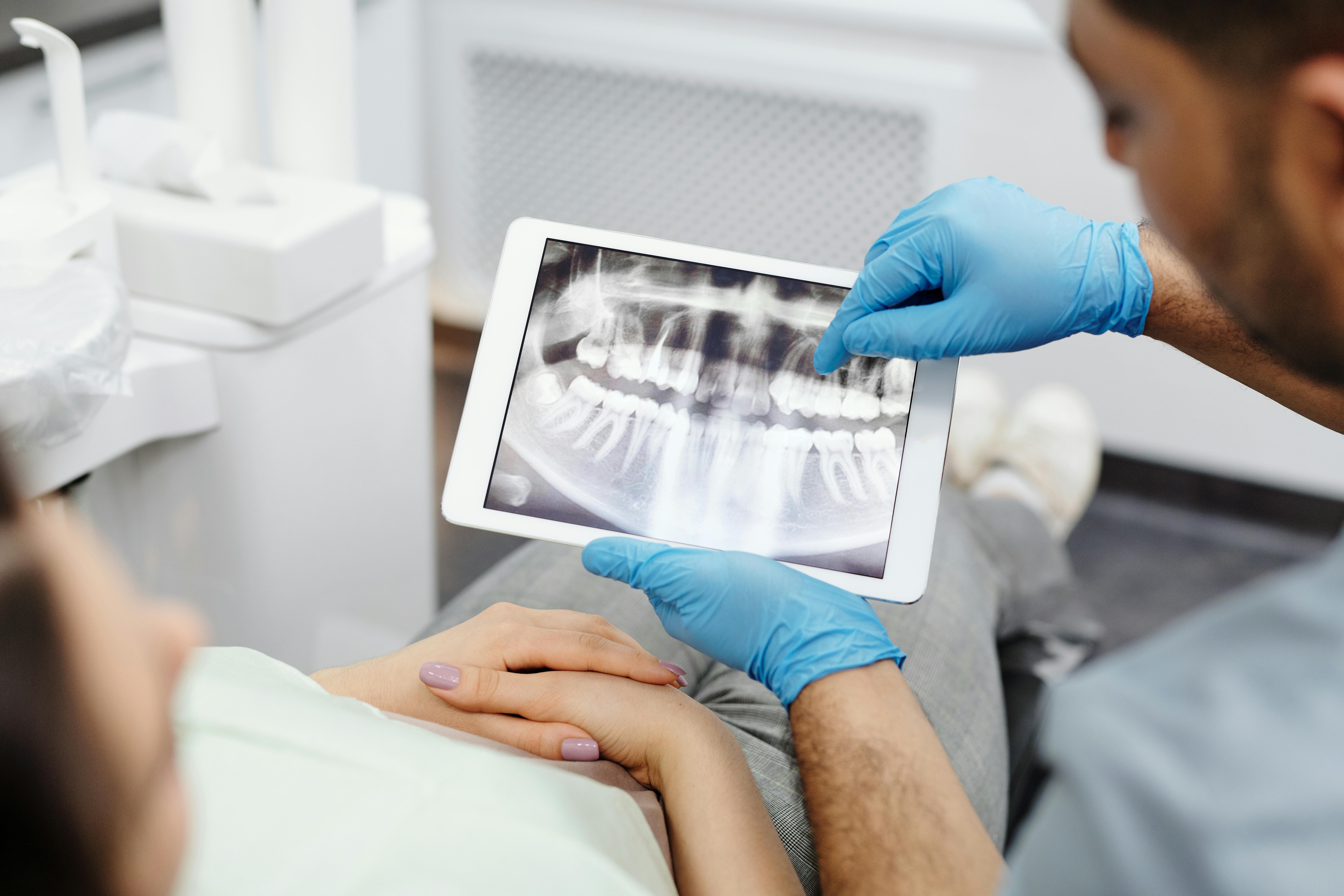
A well-made dental crown does more than cover a damaged tooth. It restores function, protects what remains of the natural structure, and gives people the confidence to smile without thinking about chips, cracks, dark fillings, or pain every time they chew. In a city like Los Angeles, where appearance matters but busy schedules matter just as much, crowns are one of the most practical and transformative treatments in dentistry.
Patients often arrive with a similar concern, even if the backstory is different. One person has a molar weakened by an old filling that finally fractured while eating lunch. Another has a front tooth that darkened after trauma years ago. Someone else has completed a root canal and now needs to protect the tooth before it splits. A crown is not cosmetic window dressing in these cases. It is often the difference between preserving a tooth and losing it.
When people search for Dental Crowns Los Angeles CA, they are usually trying to solve a very specific problem. They want to know whether a crown is really necessary, how the process works, what it will look like, what it will cost, and whether they can trust the result. Those are the right questions to ask.
What a dental crown actually does
A crown is a custom-made cap that fits over a prepared tooth. It is designed to restore shape, strength, and appearance. Dentists recommend crowns when a tooth is too damaged for a simple filling, too brittle after root canal therapy, or too worn down to function predictably.
The key word here is custom. A crown is not a generic shell. It is made to match your bite, your neighboring teeth, and the demands placed on that particular tooth. A front tooth crown must prioritize translucency, color, and contour. A back molar crown must survive heavy chewing forces day after day. The design principles overlap, but the priorities are not identical.
This matters because patients sometimes assume all crowns are basically the same. They are not. The material, preparation style, bite design, margin placement, and lab work all influence the outcome. A crown that looks fine in a mirror can still feel bulky, trap food, or create bite problems if it is not done carefully. Good crown work is part engineering, part aesthetics, and part long-term planning.
When a crown is the right call, and when it may not be
Not every compromised tooth needs a crown. Conservative dentistry still matters. If a cavity is small to moderate and the tooth has enough healthy structure, a filling or inlay may be the better choice. If a tooth is severely infected, deeply fractured below the gumline, or has too little remaining support, extraction and replacement may need to be discussed.
The gray area is where clinical judgment counts. A tooth with a large old filling and a visible crack may feel fine today, but the odds of it breaking further are higher than many patients realize. Dentists see this pattern all the time. A patient puts off treatment because the tooth is not hurting, then returns after the cusp snaps off on a weekend. The difference between a planned crown and an emergency can come down to timing.
Crowns are commonly recommended in situations like these:
- A tooth has a large cavity or filling and not enough natural structure left for a durable filling
- A tooth has had root canal treatment and needs reinforcement
- A tooth is cracked, fractured, or significantly worn down
- A misshapen or discolored tooth needs full coverage for a more balanced appearance
- A dental implant or bridge requires a final restoration on top
Even within these categories, the decision is not automatic. For example, a front tooth that had a root canal years ago may not always need a crown if enough sound enamel remains and the bite is favorable. On the other hand, a molar with deep grooves and strong chewing forces may need crown protection earlier than a patient expects. The right answer depends on the tooth, the bite, and the person.
Why crowns are so common in Los Angeles practices
Los Angeles practices see a mix of needs that makes crown dentistry especially relevant. There is high demand for esthetic improvement, but there is also a lot of functional wear. Stress grinding is common. So is clenching during commutes, workouts, and sleep. Add years of coffee, acidic drinks, old dental work, cosmetic goals, and packed calendars, and you get a population that wants treatments that are durable and efficient.
Many patients in Los Angeles also want a result that does not look “done.” They are not asking for a glowing white block of porcelain. They want the crown to disappear into the smile. That takes attention to shade, texture, contour, and light reflection. Natural teeth are not flat white tiles. They have depth, subtle variation, and anatomy. The best crown work respects that.
The local lifestyle also shapes scheduling. Same-day dentistry can sound appealing, and in some cases it is. But convenience should not outrank quality. Some teeth are excellent candidates for same-day crowns, especially straightforward posterior restorations. Others benefit from more detailed lab fabrication, particularly highly visible front teeth where shade matching and characterization matter. Fast is valuable only when it still serves the tooth well.
Materials matter more than most patients realize
Patients often hear terms like porcelain, zirconia, ceramic, or porcelain-fused-to-metal and understandably tune out. Yet material choice affects longevity, appearance, and even how a crown is prepared.
All-ceramic and porcelain restorations can look extremely natural, especially in the front of the mouth. They allow light to pass through in a way that more closely mimics enamel. Zirconia, which has become increasingly popular, is known for Dental Crowns Los Angeles CA Dental Crowns Los Angeles CA strength and can work very well in back teeth and many front tooth cases too, depending on the type used and the desired look.
Porcelain-fused-to-metal crowns still have a place in some situations, but they are less popular than they once were. Their main drawback is esthetic. Over time, a dark metal edge can sometimes show near the gums, particularly if gum tissue recedes. In the posterior, this may not bother a patient. In the smile zone, it often does.
Gold and high noble metal crowns remain excellent restorations from a functional standpoint, especially for certain molars. They can be kind to opposing teeth and extremely durable. Some patients still choose them. Most do not, simply because the look does not fit their priorities.
There is no universal “best” material. The best material is the one that fits the tooth’s location, the bite forces involved, the esthetic demand, and the amount of remaining tooth structure. A patient who grinds heavily at night may need a different solution from someone restoring a small upper lateral incisor that shows every time they talk.
The crown process, from first exam to final polish
The process usually begins with an examination, X-rays, and a conversation that should be more detailed than many patients expect. A dentist needs to evaluate decay, cracks, gum health, root condition, bite alignment, and the predictability of saving the tooth. If a crown is recommended, the “why” should be explained clearly.
During the preparation visit, the tooth is shaped so the crown can fit over it properly. If there is decay or an old failing filling, that is removed first. Sometimes a buildup is needed to replace missing tooth structure before the crown itself can be made. If the tooth is close to the nerve or already symptomatic, additional treatment such as a root canal may be necessary either before or after crown preparation, depending on the case.
After the tooth is prepared, impressions or digital scans are taken. A temporary crown is usually placed while the final crown is being fabricated, unless the case is being completed the same day. Temporary crowns do important work. They protect the prepared tooth, maintain spacing, and let the patient function while the final restoration is made. They are not meant to be perfect, but they should be comfortable enough to get through normal daily life.
When the final crown returns from the lab, or is milled in-office, the dentist checks fit, contacts, bite, and appearance before cementing it in place. This step is not just ceremonial. Tiny adjustments can make the difference between a crown that disappears into your mouth and one that feels “off” every time you bite.
Patients often ask whether the procedure hurts. With local anesthetic, the process is usually quite manageable. Some soreness in the gums or mild sensitivity afterward is common, especially around the temporary stage, but severe pain is not typical. If it happens, it should be evaluated, not ignored.
What a good crown should feel like
The best compliment a patient can give a crown is forgetting Dental Crowns Los Angeles CA which tooth it is. That is the target.
A well-fitting crown should let you bite comfortably, floss normally, and chew without feeling a high spot or edge. It should not trap food aggressively. It should not feel loose, rough, or oversized. In front teeth, it should look like it belongs with the rest of your smile, not brighter, flatter, or squarer than its neighbors unless that was an intentional cosmetic choice.
There can be a short adjustment period. If your tooth was badly broken, or if your bite had shifted around an old damaged restoration, the new shape may feel different at first simply because it is healthier and more anatomically correct. Different is not always wrong. But persistent tenderness to biting, sensitivity that worsens, or the sensation that the tooth hits first should be checked. Small bite discrepancies can create a lot of discomfort.
How long crowns last in real life
Patients understandably want a number. The honest answer is that crown longevity varies. Many crowns last well over a decade, and some remain serviceable much longer. Others fail earlier because of decay at the margin, fracture, cement washout, heavy grinding, poor oral hygiene, or problems with the underlying tooth.
The crown itself is only part of the equation. The supporting tooth matters just as much. A beautifully made crown on a compromised foundation is still a compromised situation. That is why early treatment tends to go better than waiting until a tooth is barely salvageable.
In day-to-day practice, these factors often influence how long a crown will hold up:
- The amount of healthy tooth structure left underneath
- Bite forces, including clenching and nighttime grinding
- The quality of the margin fit and the patient’s oral hygiene
- Whether the tooth has had root canal treatment and is more brittle
- Diet and habits, including chewing ice or using teeth as tools
People are sometimes surprised to learn that crowns do not make teeth immune to cavities. Decay can still form at the edge where the crown meets the natural tooth. I have seen excellent crowns fail because the surrounding home care was inconsistent, and I have seen average-looking crowns last impressively well because the patient brushed thoroughly, flossed daily, and kept regular hygiene visits.
Cost in Los Angeles, and why estimates can vary so much
Crowns in Los Angeles often cost more than patients expect, and there are reasons for that beyond geography. You are paying for diagnosis, clinical time, materials, lab work or milling technology, temporary fabrication, adjustment, and follow-up. You are also paying for experience, which matters more in restorative dentistry than many marketing ads let on.
Fees can vary significantly based on the material used, the location of the tooth, whether a buildup or root canal is needed, whether the case is completed in one visit or sent to a lab, and whether the practice is in-network with your insurance. Because pricing changes by office and by case complexity, it is wiser to ask for a written treatment estimate than to rely on a generic online number.
Insurance can help, but coverage is rarely simple. Many plans cover crowns at a percentage after the deductible, often when the procedure is considered medically necessary rather than primarily cosmetic. Plans may also have waiting periods, frequency limitations, or alternate benefit clauses. A front tooth crown requested solely for appearance may be viewed differently from a fractured molar that cannot be restored with a filling. This is one area where patients benefit from having the office verify benefits in advance, while also remembering that a benefit estimate is not the same as a guarantee.
Cosmetic expectations deserve a direct conversation
A crown can improve appearance dramatically, but the esthetic outcome depends on planning. This is especially true in the front teeth. Shape, shade, translucency, surface texture, gum symmetry, and neighboring teeth all influence whether the final result looks natural.
One common mistake is focusing only on whiteness. If a patient has been whitening their natural teeth, that should happen before shade selection for the crown, not after. Crowns do not bleach the way natural enamel does. If the crown is matched to teeth that later become lighter, the restoration can suddenly stand out.
Another issue is asymmetry. Sometimes the real challenge is not the crown itself but the teeth beside it. A single front crown can look “wrong” simply because the adjacent tooth is rotated, worn, or darker, making perfect symmetry impossible without broader cosmetic treatment. A careful dentist will talk through that rather than promise a flawless match in a vacuum.
In higher-demand cosmetic cases, lab communication becomes critical. Photos, custom shade mapping, and temporary prototypes may all help. Patients do not always see this behind-the-scenes work, but it is often what separates a passable result from an excellent one.
Crowns after root canal treatment
A root canal-treated tooth is a classic candidate for a crown, particularly in the back of the mouth. Once the nerve is removed, the tooth can become more brittle over time. That does not mean the tooth is doomed. It means it needs appropriate protection.
Molar and premolar teeth that absorb chewing pressure are especially vulnerable to fracture after root canal treatment if they are left with large unprotected fillings. Front teeth are more nuanced. Some front teeth do well without full coverage if enough natural structure remains and the bite is gentle. Others clearly benefit from crown support, especially if much of the original tooth has already been lost.
Timing matters. Patients sometimes postpone the crown after the root canal because the pain is gone and the urgent problem feels solved. Unfortunately, that delay can lead to the tooth breaking before the final restoration is placed. Once that happens, the treatment plan can become more expensive and less predictable.
Living with a temporary crown
Temporary crowns are often underestimated until one comes loose. They are made from different materials than final crowns and are intended for short-term use. That means they can chip, shift, or dislodge more easily, especially if sticky foods are involved.
If you have a temporary, chew carefully and keep the area clean. Flossing is still important, though many dentists recommend sliding floss out sideways rather than snapping it straight up and down to reduce the risk of pulling the temporary off. If it does come off, call the office. It may not be an emergency every time, but it should not be ignored, especially if the prepared tooth is exposed and sensitive.
Caring for a crown so it lasts
Patients sometimes assume a crown requires special maintenance. It does not require exotic products, but it does require consistency. Brush twice a day, clean between the teeth, and keep up with professional exams and hygiene visits. The most vulnerable area is usually the margin, not the visible top of the crown.
Night guards deserve mention here. In Los Angeles, where clenching and grinding are routine findings, a custom night guard can make a meaningful difference for crown longevity. It protects not only the crown but also the natural teeth, implants, and jaw joints. If your dentist tells you that you grind, take that seriously even if you have never noticed it yourself. The wear patterns are often unmistakable.
Diet and habits matter too. Biting hard candy, chewing ice, tearing open packaging with your teeth, or using them to hold pins or bottle caps can destroy even excellent dental work. Most people do not think of these as habits until the day something cracks.
Choosing a provider for Dental Crowns Los Angeles CA
There is no shortage of dental offices in Los Angeles, which makes selection both easier and harder. Easier because you have options, harder because not all options are equivalent. Good crown work depends on diagnosis, tooth preparation, bite analysis, material selection, and quality control. Fancy branding alone does not guarantee any of that.
Look for a dentist who explains the reasoning behind the treatment, not just the price. You want to hear a clear discussion of alternatives, limitations, timing, and expected maintenance. You also want an office that treats fit and bite adjustments as part of the process, not as an inconvenience after the procedure.
For highly visible teeth, it is reasonable to ask how shade matching is handled and whether the office works closely with a lab on esthetic cases. For heavily worn or complex mouths, ask how they evaluate grinding and whether protective appliances are considered afterward. The answers will tell you a lot.
Reviews can be helpful, but they should be interpreted carefully. Patients are good at reporting whether they felt heard, whether the office ran on time, and whether billing felt transparent. They are less equipped to judge crown margin integrity or occlusal design. Use reviews as one piece of the picture, not the whole thing.
When a crown is not enough
There are cases where a crown is part of the answer, but not the complete answer. If the underlying problem is untreated gum disease, severe bite collapse, active grinding, or widespread decay, placing a single crown without addressing the bigger issue is often short-sighted. The crown may still be technically acceptable, but its chances of lasting decrease.
Sometimes the best treatment is a sequence rather than a one-time fix. Stabilize gum health first. Address infection. Replace missing teeth that are overloading others. Consider orthodontic movement if spacing or bite relationships are compromising restoration design. Dentistry works best when it solves the real problem rather than just repairing the latest symptom.
That is one reason crown dentistry can seem deceptively simple from the outside. A crown is a common procedure, but good results depend on seeing the whole mouth clearly.
Restoring your smile with confidence
Confidence comes from two places at once. One is esthetic, knowing your tooth looks normal when you speak, laugh, or appear in photos. The other is functional, trusting that you can bite into dinner without wondering whether that tooth will split again. A crown, when properly planned and well executed, delivers both.
For patients exploring Dental Crowns Los Angeles CA, the smartest next step is not chasing the lowest number or the fastest appointment. It is getting a careful evaluation from a dentist who can explain what is happening with the tooth, what your options are, and what result is realistic for your bite, your schedule, and your goals.
Crowns are not glamorous in the way veneers or whitening get marketed, but they are often the restorations that quietly preserve a smile for years. They protect vulnerable teeth, restore daily comfort, and give patients back something they tend to miss only after it is compromised, the ease of using their mouth without hesitation.
Simple Dental Vermont
Address: 8914 S Vermont Ave, Los Angeles, CA 90044
Phone number: +13239493000
FAQ About Dental Crowns Los Angeles CA
How much do crowns cost per tooth?
In the United States, a single dental crown typically costs between $800 and $2,500 per tooth without insurance. The ultimate out-of-pocket price depends heavily on the crown material, the location of the tooth, and whether you have dental insurance coverage.
What is the downside of crowns on teeth?
The primary downside of a dental crown is that the procedure permanently removes natural tooth enamel to shape the tooth for the cap.
Why do dentists push for crowns?
Dentists recommend crowns because a large filling cannot provide enough strength when a tooth loses a major portion of its structure or faces heavy chewing pressure.